
From Bangkok and Manila to Jakarta and Ho Chi Minh City, households and small offices struggle with brownouts, lightning strikes, and sudden blackouts during monsoon season. A dependable UPS—the uninterruptible power supply—keeps Wi-Fi routers, desktop PCs, and point-of-sale systems running through power interruptions. Two brands dominate the market: APC and EATON. This article compares them for Southeast Asia and explains how to pick the right size for your home or office.
APC vs EATON: Which UPS Is Better for Southeast Asia?
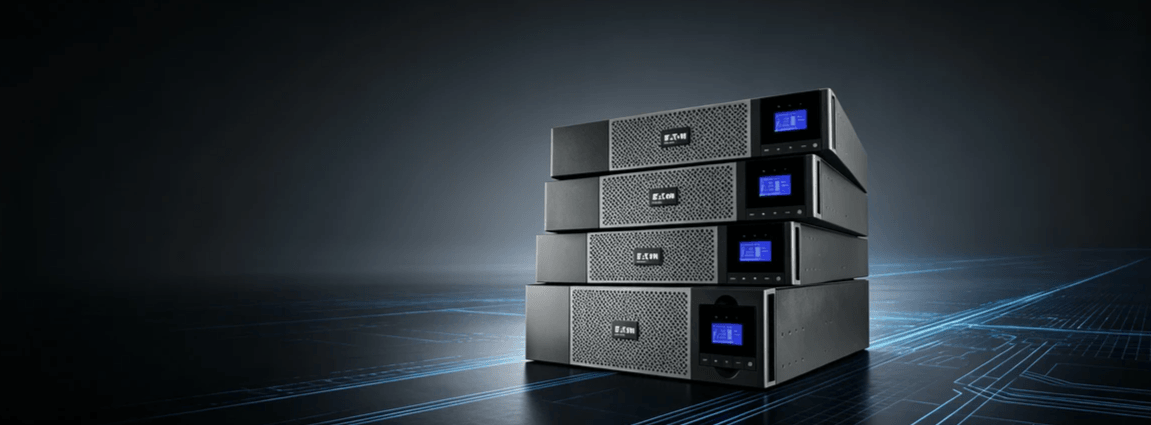
Both brands offer reliable battery backup for the region's 230V power grid. APC (by Schneider Electric) is famous for its user-friendly Back-UPS and Smart-UPS series, with broad model availability and affordable entry prices. EATON excels in industrial and commercial-grade units, online double-conversion topologies, and excellent power management software. For home and small offices, either works; for server rooms and retail environments, EATON's online UPS models provide cleaner sine wave output and better protection against frequent voltage swings.
Most of Southeast Asia uses 220-240V mains, so a 230V UPS is the safe default. However, some imported equipment and specialized scenes (marine, ports, medical or US-spec devices) need 100/110/120V UPS units. Always verify your equipment's voltage rating and plug type before buying. A wrong-voltage purchase can damage both the UPS and the connected devices.
Lithium vs Lead-Acid Battery in Hot, Humid Weather
Heat and humidity shorten battery life. Standard sealed lead-acid (VRLA) batteries typically last 3-5 years in tropical climates. Lithium (LiFePO4) UPS units cost more upfront but last 8-10 years, recharge faster, and are maintenance-free—a smart long-term choice where cooling is expensive and space is limited. For mission-critical devices like POS terminals, medical tools, or network storage, lithium is increasingly the preferred option.
How to Size a UPS for a Home or Small Office
Add up the watts of everything you want to protect during an outage: a desktop PC (200-400W), monitor (30-60W), router and modem (20-40W). Add 20% headroom and choose a UPS rated for that load. A 700-1000VA unit suits basic home setups; a 1500-2200VA model handles a small office with several computers and a NAS. For longer runtime, opt for a unit that supports external battery packs.
Frequently Asked Questions
Q: How long will my UPS keep the PC running?
A: With a 1500VA unit, typically 15-30 minutes depending on load.
Q: Will a UPS protect against lightning?
A: It provides surge protection, but whole-building lightning arresters are still recommended.
Q: Which battery should I choose?
A: Lithium for longevity, lead-acid if budget is the priority.
Author: Miwa
WhatsApp / HK Mobile: +852 6948 2197;
Email: miwa@generalpowertech.com